

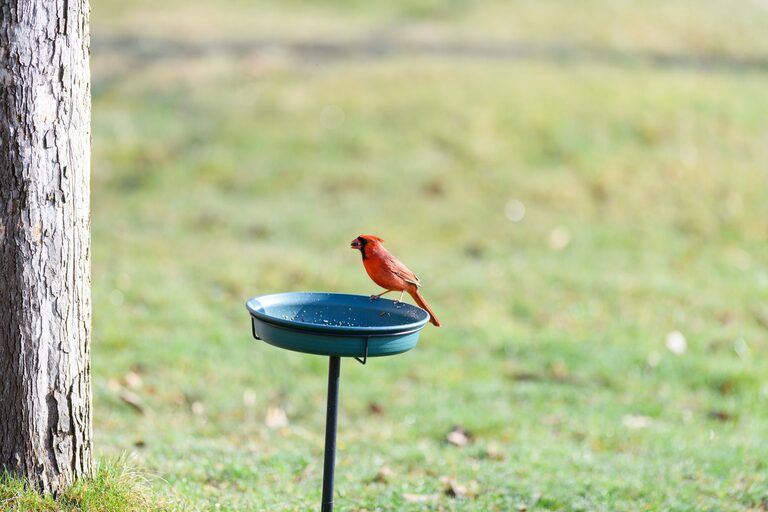
Birdwatching is a rewarding hobby that connects you with nature and brings peaceful moments to your daily routine. You don’t need to travel far or invest in expensive gear to get started — your own backyard can become a vibrant birdwatching spot. If you’re new to this activity, here are some beginner tips to help you attract birds and enjoy watching them safely and comfortably.
Why Backyard Birdwatching?
Birdwatching in your backyard is convenient and accessible. It encourages mindfulness, helps you learn about your local environment, and can be a fun activity for the whole family. Plus, by providing food and shelter, you support local wildlife and conservation efforts.
Getting Started: Essential Gear for Beginners
You don’t need much to begin birdwatching. Here are a few basics that make the experience more enjoyable:
– Binoculars: A good pair of binoculars helps you see birds clearly without disturbing them.
– Field Guide or App: Use a field guidebook or a bird identification app to help recognize species.
– Notebook or Journal: Recording your sightings keeps track of bird types and behaviors.
– Camera (Optional): A camera with a zoom lens can help capture memorable moments.
Creating a Bird-Friendly Backyard
Attracting birds means providing the essentials: food, water, shelter, and a safe environment.
1. Provide Food
Different birds prefer different foods. Offering a variety helps attract diverse species.
– Seed Feeders: Black oil sunflower seeds attract many birds like cardinals and chickadees.
– Suet: Great for woodpeckers and nuthatches, especially in winter.
– Fruit: Orioles, mockingbirds, and tanagers enjoy oranges and berries.
– Nectar: Hummingbirds love nectar feeders filled with sugar water.
Remember to clean feeders regularly to prevent mold and disease.
2. Supply Water
Birds need fresh water for drinking and bathing.
– Bird Baths: Place them where birds can spot predators easily.
– Moving Water: Adding a dripper or fountain attracts more birds.
Change water frequently to keep it clean.
3. Create Shelter and Nesting Sites
Birds seek safe places to rest and raise their young.
– Native Plants: Shrubs, trees, and flowers provide cover and natural food sources.
– Nest Boxes: Suitable for cavity-nesting birds like bluebirds or chickadees.
– Brush Piles: Offer protection for ground-feeding birds.
4. Keep Your Yard Safe
Avoid pesticides and keep cats indoors to protect visiting birds from harm.
Tips for Observing Birds
To get the most out of your birdwatching experience, keep these suggestions in mind.
1. Be Patient and Quiet
Birds may be shy at first. Sit quietly and move slowly to avoid scaring them away.
2. Observe at Different Times
Bird activity varies throughout the day. Early morning and late afternoon are usually best for watching.
3. Learn Bird Calls
Listening to bird songs can help you identify species even when you can’t see them.
4. Record Your Sightings
Keeping notes or using apps like eBird allows you to track sightings and learn patterns.
Common Backyard Birds to Look For
Depending on your region, here are some common backyard birds you might see:
– American Robin
– Northern Cardinal
– Blue Jay
– Mourning Dove
– Black-capped Chickadee
– House Finch
– Downy Woodpecker
– Ruby-throated Hummingbird
Final Thoughts
Backyard birdwatching offers a simple way to connect with nature and enjoy wildlife up close. By providing food, water, and shelter, you create a welcoming habitat for birds. With patience and practice, you’ll soon recognize your feathered visitors and appreciate their role in the environment. So grab your binoculars, find a comfortable spot, and start exploring the lively world of backyard birds today!