

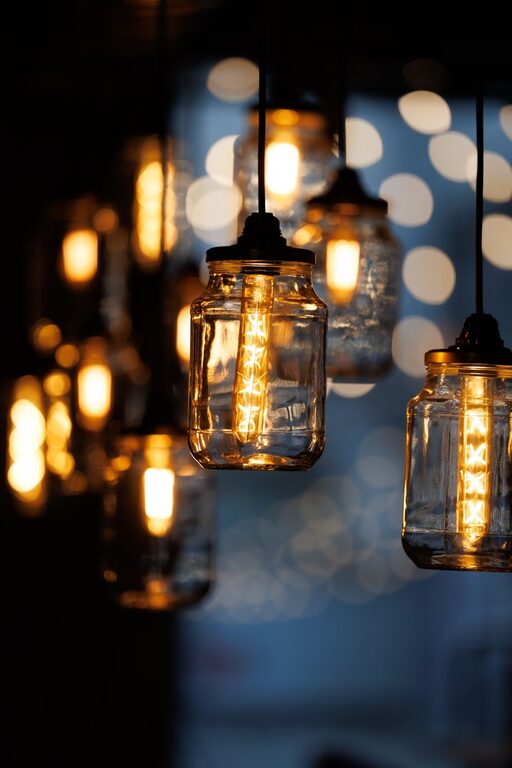
Creating a comfortable and inviting atmosphere in your home goes beyond furniture and color schemes—it heavily depends on your lighting choices. Proper home lighting can influence your mood, improve functionality, and enhance the overall ambiance of each space. But with so many options available, choosing comfortable lighting can feel overwhelming. This guide offers helpful tips to select lighting that suits your needs, style, and comfort.
Understand the Types of Lighting
Before selecting fixtures or bulbs, it’s essential to understand the three main types of lighting that work together to create a balanced environment:
1. Ambient Lighting
This is the general lighting that illuminates the entire room. It provides overall visibility and sets the tone of the space. Examples include ceiling-mounted fixtures, chandeliers, or recessed lights.
2. Task Lighting
Task lighting focuses on specific areas where activities such as reading, cooking, or working take place. Desk lamps, under-cabinet kitchen lights, and vanity lights are popular task lights.
3. Accent Lighting
Accent lighting adds drama or highlights particular objects in your home like artwork, plants, or architectural features. It often uses spotlights or wall-mounted fixtures.
Using a combination of these lighting types helps create depth, functionality, and comfort.
Consider Light Color Temperature
Light color temperature plays a significant role in comfort. It is measured in Kelvins (K) and ranges from warm to cool tones.
– Warm Light (2700K–3000K): Produces a soft, cozy glow similar to traditional incandescent bulbs. Great for living rooms, bedrooms, and dining areas to foster relaxation.
– Neutral Light (3500K–4100K): Offers a balanced white light that’s comfortable for kitchens, bathrooms, and workspaces.
– Cool Light (5000K+): Mimics daylight with bright, blueish tones. Ideal for task lighting or areas where focus and attention are needed. However, cool light can feel harsh if overused.
Tip: For a more comfortable home environment, favor warm or neutral color temperatures in most areas.
Choose the Right Brightness
Brightness is measured in lumens, and selecting the right level affects comfort and usability.
– Low to Medium Brightness (up to 1600 lumens): Suitable for bedrooms, living rooms, and dining rooms where softer lighting is preferable.
– High Brightness (1600+ lumens): Better for kitchens, home offices, and workshops where clarity and detail are important.
Pro Tip: Use dimmer switches to adjust brightness throughout the day based on your activities and mood.
Mind Your Lighting Fixtures and Placement
The style and placement of light fixtures can reduce glare and shadows, which are common causes of discomfort.
– Avoid Direct Glare: Use lampshades, frosted bulbs, or recessed lights to soften light.
– Distribute Light Evenly: Combine multiple light sources to prevent dark corners and harsh contrasts.
– Height Matters: Ensure ceiling fixtures are installed at appropriate heights to avoid eye strain. Table and floor lamps should be positioned so they illuminate your work or relaxation area properly.
Think About Energy Efficiency and Bulb Types
Comfortable lighting doesn’t have to come with high electricity bills. LED bulbs are efficient and long-lasting while offering a range of colors and brightness levels. They stay cool to the touch and can be used with dimmers for versatile lighting control.
Other bulb options include:
– Incandescent: Warm light but less energy-efficient and shorter lifespan.
– Compact Fluorescent (CFL): Energy-efficient but may contain mercury and take time to warm up.
Choosing bulbs that combine energy efficiency with the right light quality enhances comfort and sustainability.
Create Zones for Different Activities
If your home has open-plan spaces or multifunctional rooms, defining lighting zones can improve comfort:
– Use task lighting for work areas like desks or reading nooks.
– Add ambient lighting for general use.
– Incorporate accent lighting to highlight decor and create mood.
This zoning approach ensures you have the right light in the right place at the right time.
Enhance Natural Lighting
Maximizing natural light during the day benefits your well-being and reduces the need for artificial lighting.
– Use sheer curtains to diffuse sunlight gently.
– Position mirrors to reflect daylight into darker corners.
– Keep windows clean and unobstructed.
Balancing natural and artificial light creates a bright and comfortable home environment.
Pay Attention to Lighting Control Options
Comfortable lighting is not just about fixtures but also how you control them.
– Dimmer Switches: Allow you to adjust brightness and create ambiance.
– Smart Lighting: Systems controlled via smartphone or voice enable personalized lighting scenes and schedules.
– Multiple Switch Locations: Ideal for larger rooms or hallways, so you don’t have to walk in the dark.
Final Thoughts
Choosing comfortable home lighting requires a thoughtful mix of light types, color temperature, brightness, and fixture placement. Don’t hesitate to experiment with different options to find what feels best for your unique space and lifestyle. Remember, good lighting enhances not only aesthetics but also your comfort and well-being.
By following these tips, you’ll create a home filled with inviting, functional, and comfortable light that makes every moment more enjoyable.